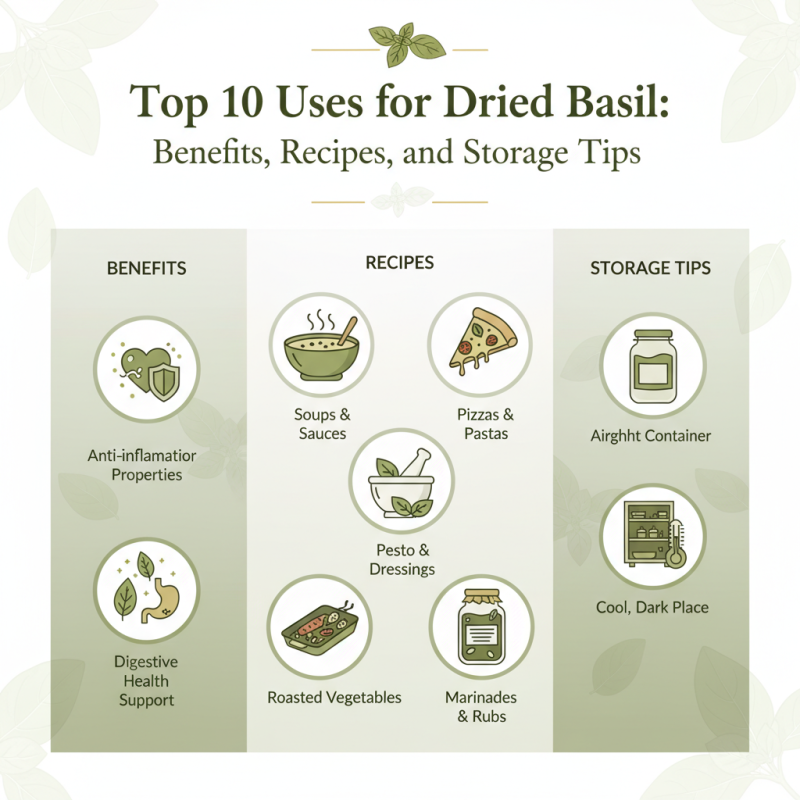
Top 10 Uses for Dried Basil: Benefits, Recipes, and Storage Tips
Dried Basil, a staple in kitchens worldwide, has gained popularity not only for its rich flavor but also for its numerous health benefits. Renowned culinary expert Dr. Emily Hartman, a leading authority on herbs and spices, emphasizes the versatility of this herb, stating, "Dried Basil is not just an ingredient; it's a powerful tool that can transform a simple dish into a culinary delight while offering essential health benefits."
In this article, we will explore the top ten uses for Dried Basil, showcasing its potential in various recipes, its positive impacts on health, and practical storage tips to ensure its longevity. From enhancing the flavors of soups and sauces to being a key player in homemade pesto, Dried Basil has a unique ability to elevate everyday meals. Moreover, its anti-inflammatory properties and antioxidant content make it a beneficial addition to your diet.
Join us as we delve into the world of Dried Basil, uncovering its many applications and insights from culinary and nutrition experts, to inspire you to incorporate this aromatic herb into your cooking routine.
Top 10 Culinary Applications of Dried Basil
Dried basil is a versatile herb that enhances a variety of dishes with its aromatic flavor. One of its most popular culinary applications is in Italian cuisine, where it can elevate the taste of sauces, soups, and pizzas. Simply sprinkle dried basil into marinara sauce for a rich depth of flavor or add it to a classic caprese salad to complement fresh tomatoes and mozzarella.
Another great use for dried basil is in seasoning meats and seafood. A blend of dried basil, garlic powder, and olive oil can create a delicious marinade for chicken or fish, adding an Italian flair to your grilling sessions. Additionally, incorporating dried basil into vinaigrettes or dressings can provide a fresh, herbal note that pairs beautifully with salads or roasted vegetables.
Tips for using dried basil include crushing the leaves between your fingers before adding them to dishes. This releases their essential oils and intensifies the flavor. Also, consider storing dried basil properly—keep it in a cool, dark place in an airtight container to preserve its potency. For the best results, use dried basil within six months to ensure you’re getting the most flavor from this delightful herb.
Health Benefits of Incorporating Dried Basil into Your Diet
Dried basil is not only a versatile herb but also a nutritional powerhouse that can enhance your overall health. Incorporating dried basil into your diet can provide numerous benefits, including its anti-inflammatory properties and rich antioxidants. These compounds help combat oxidative stress and reduce inflammation in the body, potentially lowering the risk of chronic diseases. Moreover, basil is known for its antimicrobial properties, which can support the immune system and promote digestive health.
To enjoy the health benefits of dried basil, try adding it to your daily meals. It pairs beautifully with tomatoes, making it a perfect addition to sauces, soups, and salads. You can also sprinkle it over roasted vegetables or incorporate it into marinades for meats. When using dried basil, remember that a little goes a long way; it’s best to start with a small amount and adjust based on your taste preference.
Tips for storing dried basil properly are essential to maintain its flavor and potency. Keep it in an airtight container in a cool, dark place away from direct sunlight. By doing so, you can ensure it retains its aromatic qualities for as long as possible. Also, consider crushing the leaves just before use to release their essential oils, maximizing their flavor and health benefits in your dishes.
Top 10 Uses for Dried Basil
Dried basil is a versatile herb that can be incorporated into various dishes and beverages. This chart illustrates the top 10 uses for dried basil, based on frequency of usage in culinary practices. From enhancing the flavor of pasta sauces to serving as a key ingredient in herbal teas, dried basil adds both taste and health benefits to many recipes.
Creative Recipes Featuring Dried Basil for Every Meal
Dried basil is a versatile herb that can elevate a variety of dishes, making it a staple in kitchens around the world. Whether you're preparing breakfast, lunch, or dinner, dried basil can add a burst of flavor.
For breakfast, sprinkle it over scrambled eggs for a fragrant kick, or add it to a morning vegetable omelet. At lunch, consider making a refreshing tomato and basil salad, drizzled with olive oil and balsamic vinegar, which is perfect for warm days. For dinner, dried basil shines in sauces; try incorporating it into a homemade marinara or a creamy basil pesto for pasta dishes.
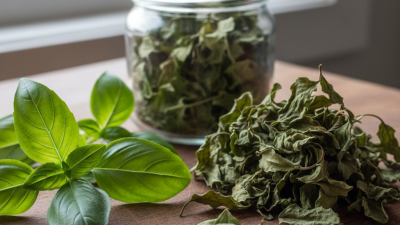
When storing dried basil, keep it in a cool, dark place to retain its flavor and aroma. A sealed glass jar is ideal, as it protects the herb from moisture and light. For optimal freshness, avoid exposing it to heat from the stove or sunlight. Additionally, if you find your dried basil has lost some of its potency, you can revive it by crushing the leaves before use to release the essential oils.
Experimenting with dried basil in different cuisines can also bring a new twist to traditional recipes. Consider adding it to Mediterranean-style dishes, such as ratatouille or stuffed peppers, for an aromatic enhancement that complements the other ingredients beautifully.
Essential Tips for Proper Storage of Dried Basil
When it comes to preserving the flavor and potency of dried basil, proper storage is essential. First and foremost, dried basil should always be kept in an airtight container to minimize exposure to air, which can degrade its quality over time. A dark glass jar or a tightly sealed plastic container is ideal for keeping out moisture and light, both of which can lead to a loss of aroma and flavor. It’s best to store the container in a cool, dark place, away from heat sources such as the stove or direct sunlight.
Additionally, monitoring the shelf life of dried basil is crucial for enjoying its full benefits. Typically, dried basil can maintain its flavor for about one to three years when stored correctly. However, it’s wise to check for signs of fading color or diminished scent, as these are indications that the herb has lost its potency. When needed, crushing the leaves just before use can help release the essential oils and enhance the flavor profile of your dishes, making storage techniques that much more impactful.
Top 10 Uses for Dried Basil: Benefits, Recipes, and Storage Tips
| Use |
Benefits |
Basic Recipe Idea |
Storage Tips |
| Cooking |
Enhances flavor of sauces and dishes |
Pasta with basil tomato sauce |
Keep in a cool, dry place |
| Herbal Tea |
Soothes digestive issues |
Basil herbal infusion with honey |
Store in an airtight container |
| Salads |
Adds refreshing flavor |
Caprese salad with basil drizzle |
Avoid humidity, keep sealed |
| Flavoring Oils |
Infuses oils with a rich taste |
Basil-infused olive oil |
Store away from light |
| Soups |
Enhances the flavor profile |
Italian vegetable soup |
Keep cool and dry |
| Marinades |
Improves meat flavor |
Basil marinades for chicken |
Store in a jar, tightly closed |
| Pizzas |
Adds fragrant aroma |
Basil on margherita pizza |
Keep in a dark pantry |
| Stuffing |
Enhances flavor of stuffing |
Herbed stuffing for poultry |
Store in a cool, airtight space |
| Dressing |
Adds depth to dressings |
Basil vinaigrette |
Store in the fridge for freshness |
| Herbal Remedies |
May reduce stress and anxiety |
Basil leaf extract |
Seal tightly and avoid moisture |
Common Mistakes to Avoid When Using Dried Basil in Cooking
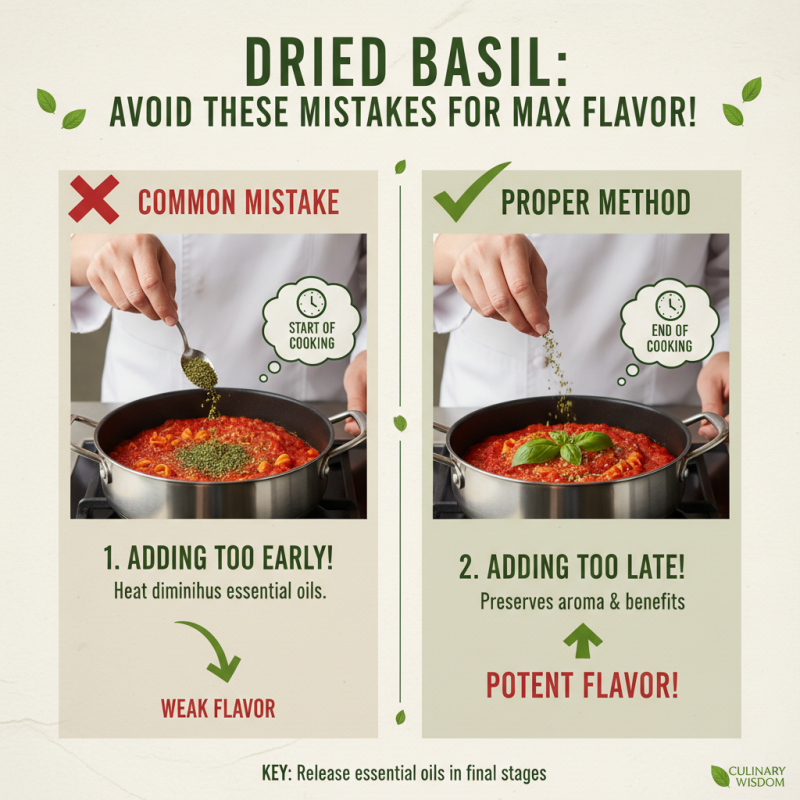
When utilizing dried basil in your culinary endeavors, it’s crucial to avoid some common mistakes that can diminish its flavor and benefits. One prevalent error is adding dried basil too early in the cooking process. According to industry studies, dried herbs, including basil, release their essential oils more effectively when added at the right moment, ideally during the last stages of cooking. This preserves their aromatic qualities and enhances your dish.
Another mistake is not using enough dried basil. Research indicates that while dried herbs are more concentrated than fresh, they still require generous amounts to deliver noticeable flavor. The standard recommendation is to use one-third the amount of dried basil compared to fresh basil. This ensures your flavors remain vibrant and well-rounded.
Tips for maximizing the potential of dried basil include storing it in a cool, dark place, preferably in an airtight container. This prevents exposure to light and moisture, which can lead to a significant loss of potency. Furthermore, consider crushing dried basil between your fingers before adding it to dishes; this process helps release more of its essential oils, amplifying its flavor profile and making it a deliciously vibrant addition to your meals.