




A Complete Guide to Hot Air Drying
Drying is one of the oldest and most widely used techniques for preserving food, and today it remains essential in modern food manufacturing. Among all dehydration methods, hot air drying (also known as hot air dehydration), is the most common, the most mature, and the most widely adopted across global food industries.
What Is Hot Air Drying?
As the name suggests, hot air drying removes moisture from food through a continuous flow of heated air. Industrial dryers heat air to a controlled temperature and blow it across the surface of the raw material. As the hot air passes through, moisture evaporates and is carried away through the airflow. This process is repeated until the product reaches its target final moisture content.
The mechanism is similar to using a hair dryer, but on a much larger and more controlled industrial scale. Temperatures in hot air dryers are generally set between 40°C and 90°C, depending on the type of material being processed. The chosen temperature must balance drying efficiency with product stability, ensuring food is dehydrated effectively without unnecessary damage to flavor or nutrients.
Modern hot air systems maintain stable airflow, temperature, and humidity control, ensuring consistency batch after batch. The technology is simple yet highly reliable, which explains its dominance across the food industry.

Why Hot Air Drying Is the Most Widely Used Method in Food Processing
Hot air drying has become a mainstream dehydration method worldwide for several reasons. One key factor is the simplicity of the equipment. Hot air dryers have straightforward structures, clear operating procedures, and predictable results, making them highly suitable for large scale industrial production. Food manufacturers handling ingredients like vegetables and spices often need to process huge quantities throughout the year, and hot air drying provides the capacity to do so efficiently.
Another major advantage is cost effectiveness. Compared with more advanced technologies such as freeze drying, hot air drying consumes less energy and requires lower investment in machinery.
Moreover, dried ingredients produced using hot air drying meet the general requirements of global food manufacturers: good shelf stability, consistent processing performance, and competitive pricing. This balance of quality and cost has made hot air dried vegetables, herbs, and spices highly popular in international markets ranging from instant noodles and seasoning blends to ready-to-eat foods and snack production.
Characteristics of Hot Air Dried Products
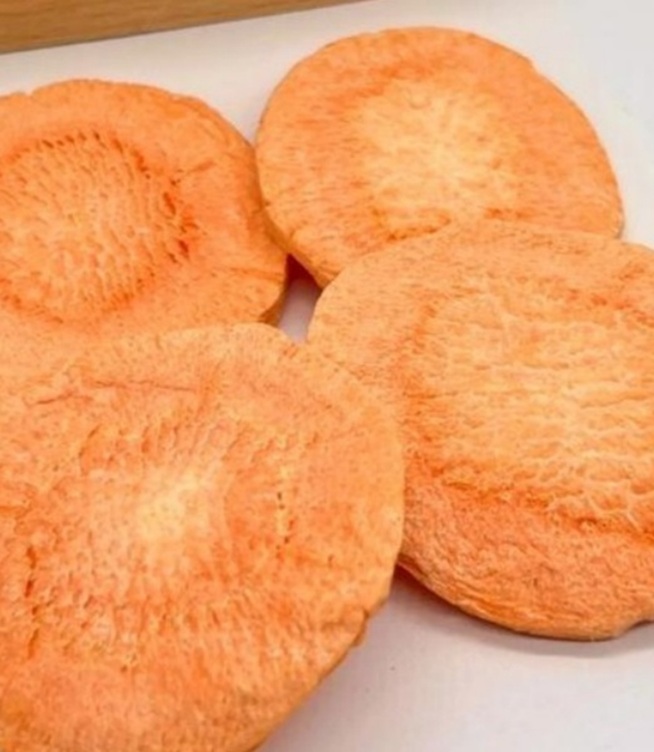
Hot air drying often causes some degree of color change. The food undergoes heat-induced browning, resulting in deeper or darker shades compared to the fresh material. For example, carrots may turn slightly reddish, and onions may develop a pale brown tint. This is normal and expected in thermally processed dehydrated foods.
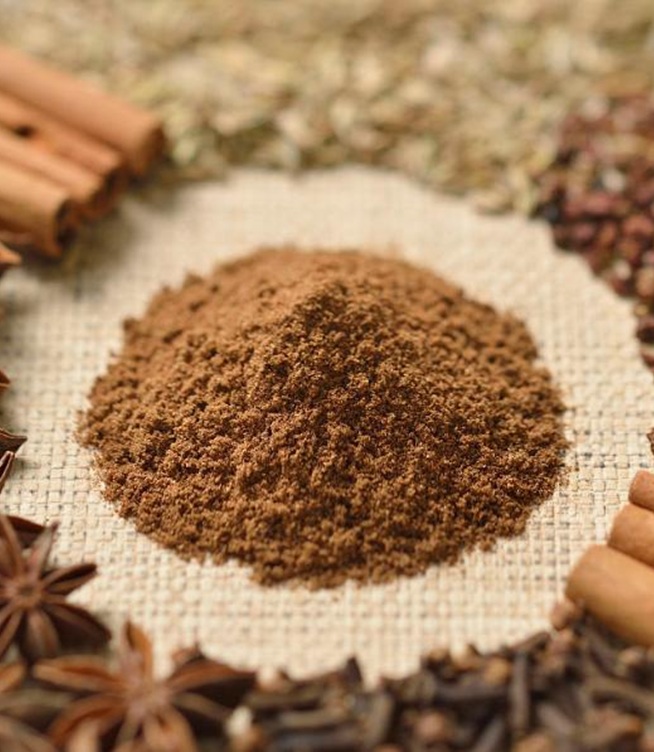
Flavor retention is moderate. The exposure to higher temperatures means that some volatile aroma compounds—especially in herbs and spices—tend to dissipate. As a result, hot air dried ingredients generally have less intense fragrance compared with freeze dried alternatives.
Texture is another consideration. When water evaporates during hot air drying, the material undergoes shrinkage, becoming denser and firmer. This can affect rehydration speed and final texture after cooking. Hot air dried vegetables usually rehydrate more slowly and less completely than freeze dried ones. Nevertheless, for many industrial uses such as soups, seasonings, spice blends, and bakery mixes, the texture is acceptable.
The biggest advantage, of course, remains its competitive cost and wide availability. It is precisely because the method is mature, stable, and economical that hot air dried ingredients are used extensively across sectors like condiments, instant foods, frozen and ambient meal kits, and ready-to-eat products.
What Foods Are Suitable for Hot Air Drying?
Hot air drying is versatile and can be applied to an extensive range of agricultural products. Almost all common vegetables, fruits, and spices can be dehydrated using this method.
Typical examples include garlic, onion, carrot, cabbage, potato, chili pepper, ginger, tomato, and numerous herbs such as basil and parsley. Hot air drying is also widely used for mushrooms, which benefit greatly from moisture reduction for storage stability.
These dehydrated ingredients offer logistical advantages. Once dried, they become lighter, easier to transport, and far more shelf-stable. This allows food manufacturers to maintain stable year round supply chains and simplify storage and inventory management. For industries that demand reliability and efficiency, hot air drying provides a perfect balance between practical performance and cost control.
Conclusion
Hot air drying is a time tested, broadly applicable, and cost effective dehydration technology that plays a fundamental role in the global food supply chain. As one of China’s leading manufacturers of dehydrated vegetables, herbs, and spices, ShunDi Foods supplies a wide range of air dried products to global food brands. With modern production facilities, strict quality systems, and international certifications, ShunDi ensures stable supply, reliable quality, and competitive solutions for partners around the world.