




Freeze Dried Carrots vs. Air Dried Carrots: Understanding the Key Differences
Carrots are among the most widely used vegetables in the global dried ingredients market, valued for their compatibility with countless food applications. As demand grows for stable ingredients, freeze dried (FD) and air dried (AD) carrots have become two of the most common industrial formats. For food processors, choosing the right type can directly affect product appearance, nutrition, and final taste. This article takes a closer look at how freeze dried and air dried carrots differ.
What Are Freeze Dried Carrots?
Freeze dried carrots are made using a low temperature sublimation process designed to lock in the original attributes of fresh vegetables. The carrots are first cleaned, cut into the required size, and quickly frozen to maintain cell structure. They are then transferred into a vacuum chamber, where the ice inside them evaporates directly into vapor without passing through a liquid phase. Because the entire process occurs under low temperatures, the cell walls remain intact and the natural pigments are preserved.
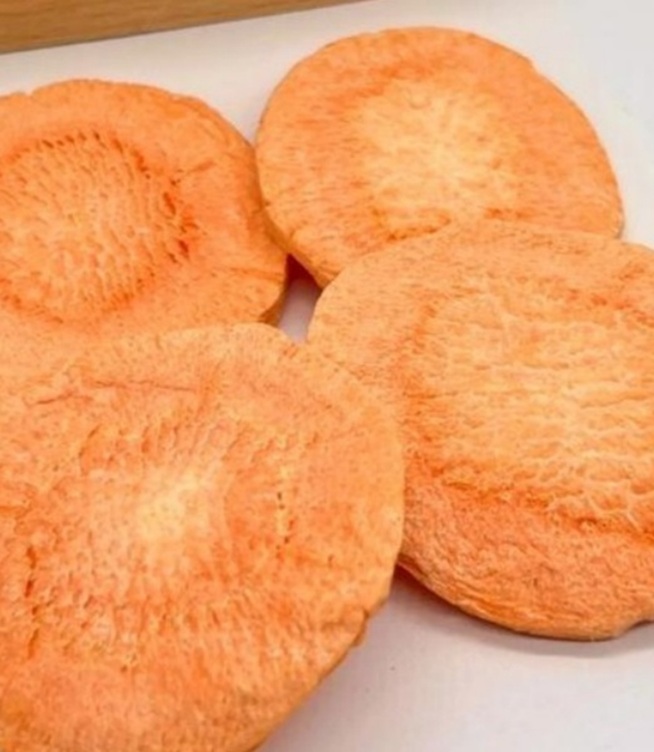
This unique drying technique results in extremely light, porous carrot pieces with an appearance close to fresh produce. The vibrant orange color, natural sweetness, and delicate aroma remain almost unchanged. Since heat sensitive vitamins degrade very slowly in this environment, freeze dried carrots maintain a high level of nutrients, making them popular in premium products. One of the key advantages is how rapidly they rehydrate. When mixed with hot water or broth, freeze dried carrot flakes and cubes quickly regain their original shape and tenderness, making them ideal for instant foods where quick preparation is essential.

How Air Dried Carrots Are Made and Why They Differ
Air dried carrots, also known as dehydrated carrots, use a much older and more cost effective technology. After washing and cutting, the carrots pass through drying tunnels where hot air removes moisture gradually. Exposure to heat naturally changes the color and texture. The result is carrot pieces that are denser, darker, and slightly more concentrated in flavor compared with their freeze dried counterparts.
During the air drying process, some heat sensitive nutrients such as Vitamin C may decline, and the final pieces tend to have a softer, slightly cooked aroma. However, the nutritional profile remains strong overall. This type of carrot is widely used in instant soup seasonings, bakery mixes, snack coatings, and other applications where visual freshness is not the primary concern. For manufacturers that prioritize cost control, air dried carrots offer stable quality and competitive pricing.

Why Freeze Dried Carrots Look Fresher
In industrial applications, appearance can significantly influence consumer perception. Freeze dried carrots maintain their original shape, color, and brightness because the drying process does not damage the pigment molecules. They appear as crisp, airy pieces with a natural sheen, making them highly suitable for products where visual presentation matters, such as instant noodles, premium ready-to-eat meals, salad toppings, and kids’ snacks.
Air dried carrots undergo color changes when exposed to heat during dehydration. Their orange becomes deeper and sometimes slightly brownish. Although completely normal, this characteristic makes them better suited to applications where they blend into sauces, seasoning mixes, or baked goods rather than appearing prominently on packaging or in the final dish.
Comparing the Health Value of FD and AD Carrots
Nutrition is a key differentiator between freeze dried and air dried vegetables. Since freeze drying avoids heat, natural carotenoids, fiber, and vitamins remain largely intact. Freeze dried carrots can retain up to 90–95% of the nutritional content of fresh carrots.
Air dried carrots, while still nourishing, experience more nutrient loss due to heat exposure. Vitamins such as A and C decrease more sharply, although minerals and dietary fiber remain stable. For applications that aim for clean labels and high nutritional integrity, freeze drying stands out as a superior option.
Cost and Application Considerations for Food Manufacturers
Cost is one of the most practical concerns for industrial buyers. Freeze dried carrots require advanced equipment, long processing time, and higher energy consumption. As a result, they are priced at the premium end of the dried vegetable market. Manufacturers select FD carrots when product positioning, nutrition claims, or visual quality justify the investment. Air dried carrots, on the other hand, deliver strong functionality at a much more accessible cost. In some cases, food formulators combine both types. Adding a small percentage of freeze dried carrots can enhance appearance while using air dried carrots to achieve cost efficiency.
ShunDi Foods: Manufacturer of Freeze Dried and Air Dried Carrot
With more than 30 years of experience in dried ingredients production, ShunDi supplies both freeze dried and air dried carrots to food brands worldwide. We offer a full range of sizes including flakes, slices, cubes, granules, and powder, suitable for OEM and industrial applications. Whether you are developing a premium nutrition focused product or a cost effective formulation, our technical team can help you choose the most appropriate type of dried carrot for your needs.